November 16, 2026
Caring for trees on your property keeps your landscape welcoming while protecting your house from unexpected hazards. When large branches hang close to power lines or an aging trunk leans after a storm, knowing how to handle the situation can feel overwhelming. Scheduling an appointment with an experienced tree service takes the guesswork out of yard care by bringing trained eyes and heavy equipment directly to your curb.
From the initial phone conversation to the final cleanup, a professional visit follows a clear path. Experienced arborists do far more than cut limbs down without a plan. They evaluate trunk stability while checking for fungal rot that could compromise your trees.
Scheduling Your Initial Property Consultation
The tree service process starts when you call or submit an online request to arrange a visit. During this conversation, you can describe your immediate concerns, such as seasonal pruning, stump grinding, or storm cleanup. Clear communication helps the crew understand what equipment they need to inspect your property thoroughly.
After scheduling, the company confirms your date and gathers necessary logistical details. If trees sit close to property lines or utility easements, addressing those factors early keeps the visit running smoothly. You can also prepare by moving vehicles out of the driveway and keeping pets indoors so the crew has clear walking paths when arriving.
Walking the Grounds With an Experienced Crew
When the crew arrives, the appointment begins with a walk around your property. An experienced arborist looks closely at each tree you mentioned, checking the trunk base and upper crown. They also examine how branches hang over your roof or driveway to identify immediate risks.
This walkthrough serves as an open conversation where you can discuss your landscape goals. You might want more sunlight on your lawn or need low-hanging branches removed. The crew listens to your priorities, explains what they observe, and outlines practical options for keeping your yard safe.
Assessing Tree Health and Structural Stability
Not every tree problem is obvious from a glance across the lawn. Internal decay and hidden disease can weaken a trunk while the foliage still appears vibrant and full. During the evaluation, arborists look for hollow cavities, fungal mushrooms near the base, and cracked limbs hanging in the canopy.
Spotting deadwood early is crucial because brittle branches can break without warning during strong windstorms. A thorough assessment determines whether removing damaged limbs will restore balance or if the trunk is too hollow to remain standing safely. Giving your trees a professional checkup helps you address minor decay before it turns into an emergency.
Performing Aerial Checks on Mature Trees
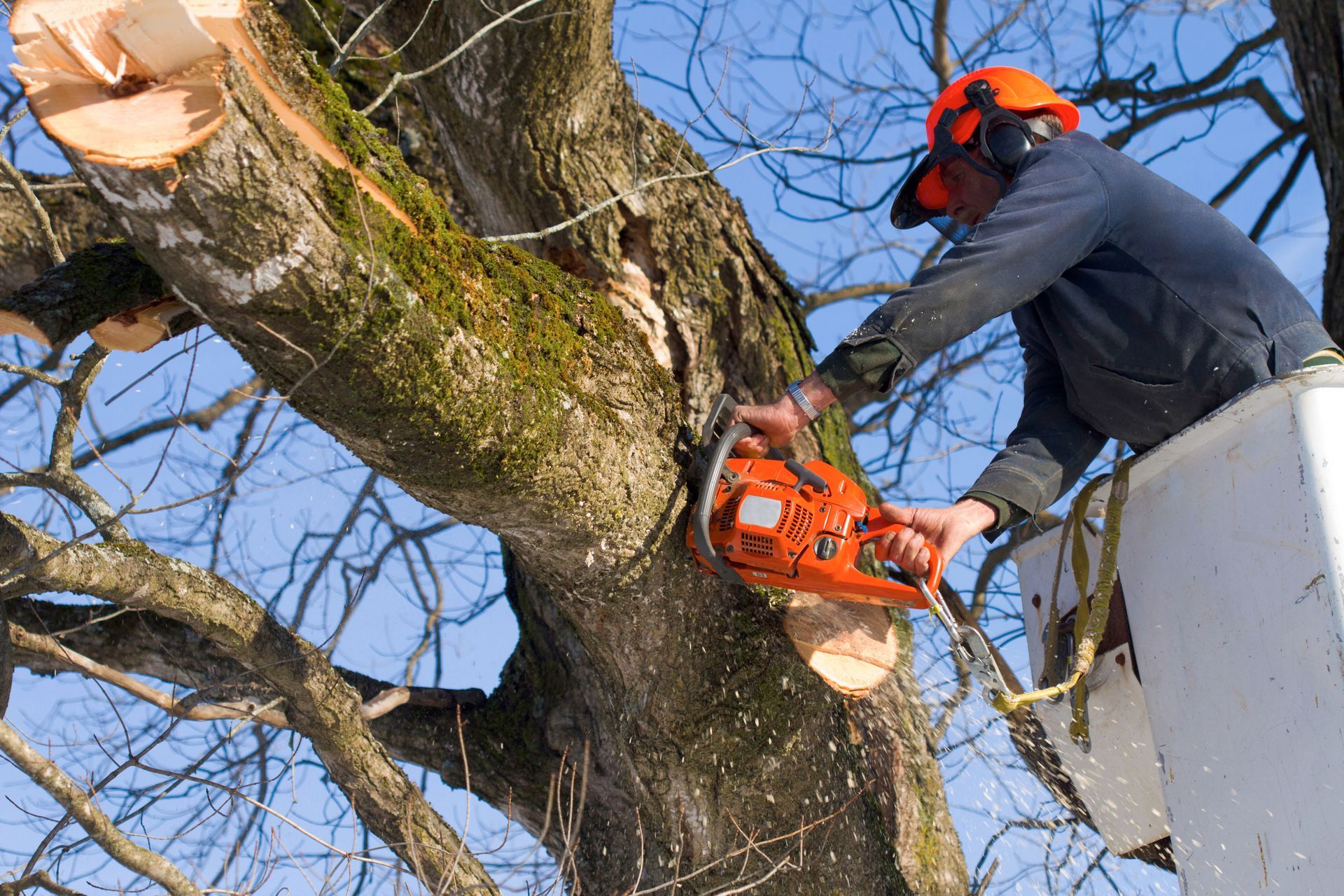
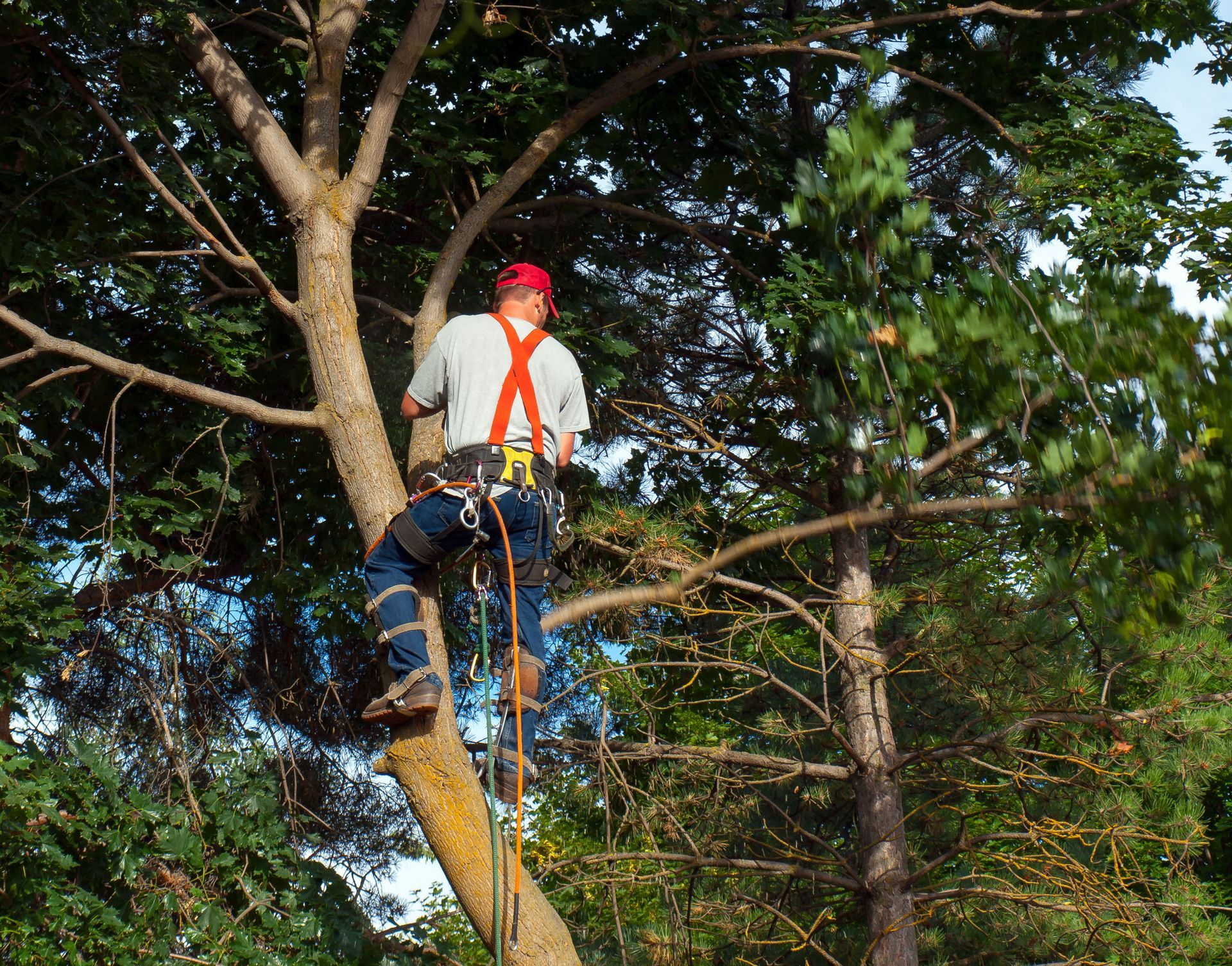
Large, mature trees often present challenges that cannot be fully diagnosed from ground level alone. When a towering tree shows signs of stress high above, arborists utilize bucket trucks or climbing ropes to inspect upper branch unions. Getting up into the canopy allows technicians to examine tight crotches and hidden splits that threaten structural integrity.
These elevated inspections provide a clear view of how upper limbs carry weight. Technicians can spot hairline fractures and pest damage invisible from your patio. Gathering accurate information from high in the canopy ensures that trimming or structural support recommendations rest on a solid assessment of the entire crown.
Outlining Essential Tree Care and Maintenance
Routine trimming forms the backbone of long-term tree health and residential safety. Over time, tree crowns can become crowded with crossing limbs that rub together and scrape away protective bark. Thinning out dense growth improves air movement through branches, helping foliage dry quickly after rain and reducing fungal risks.
Trimming also provides vital clearance around your home, preventing heavy branches from gouging siding or scraping across roof shingles. Skilled climbers make clean cuts just outside the branch collar, allowing the tree to heal naturally without leaving jagged stubs. Investing in periodic maintenance ensures your trees maintain an attractive shape while staying clear of your building.
Removing Hazardous Trees From Your Yard
When a tree suffers severe trunk rot or root death, safe removal becomes the necessary course of action. Dead or structurally compromised trees present significant hazards to family members and nearby buildings. Attempting to take down a large tree without proper rigging equipment can cause severe property damage.
The time required for extraction depends on tree height and overall trunk condition. According to This Old House, tree removal can wrap up in as little as 15 minutes for smaller projects or extend over several hours for larger varieties. Straightforward removals in open lawns move quickly, while complex jobs near utility lines require careful dismantling branch by branch. Calling an established tree service ensures that the extraction is handled methodically from top to bottom.
Grinding Stumps Below the Ground Level
Taking down a tree leaves an unsightly stump that can linger for decades if left unattended. Tree stumps create tripping hazards in your lawn, damage mower blades, and attract wood-boring insects like carpenter ants or termites. Leaving a stump in place can also encourage unwanted root suckers that sprout messy saplings across your grass.
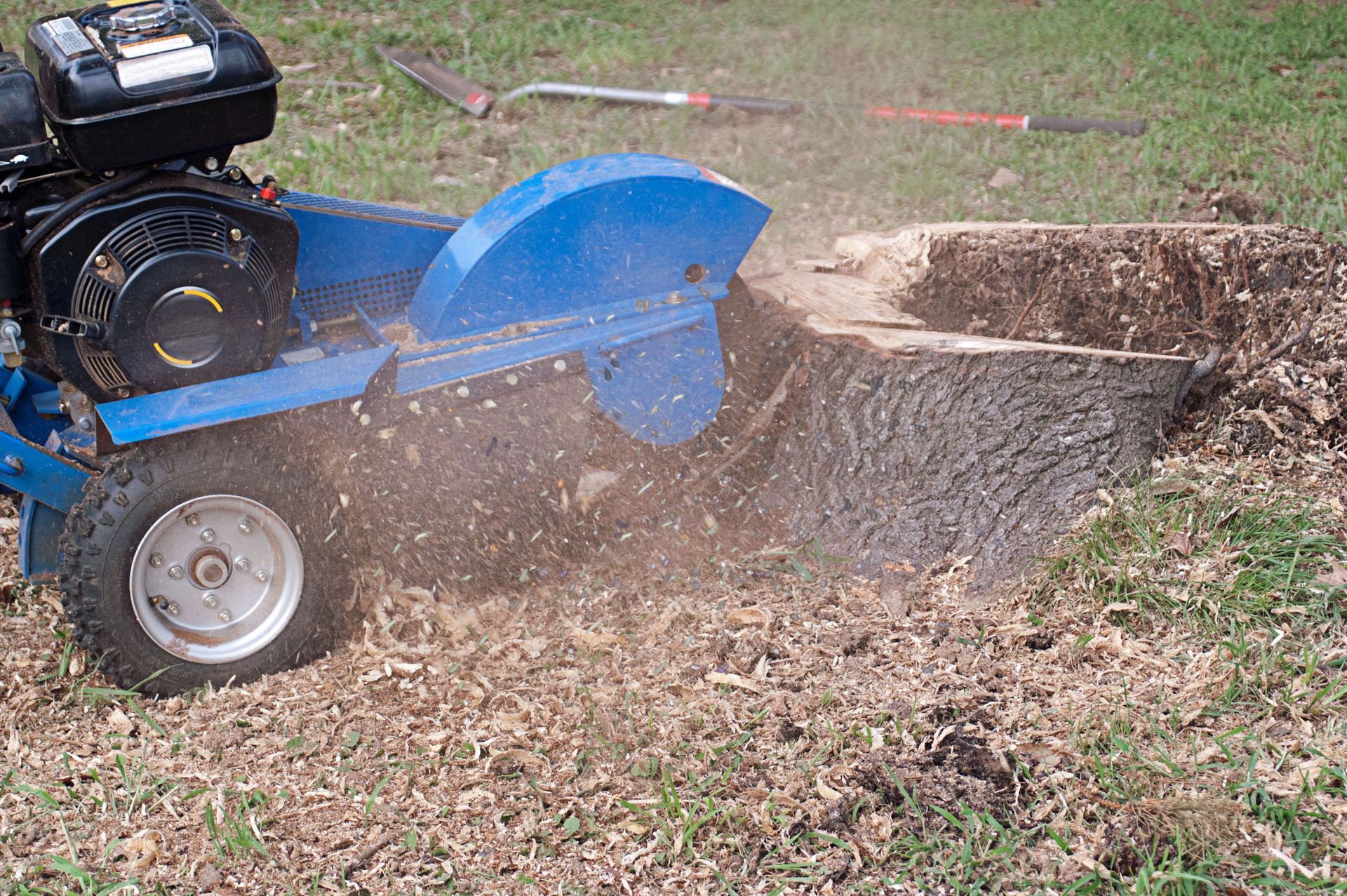
Professional stump grinding utilizes powerful cutting wheels with carbide teeth to grind the wood down well beneath the soil surface. This mechanical grinding turns the stump and surface roots into wood mulch that can fill the resulting hole. Clearing out the stump restores your open lawn space, allowing you to plant fresh grass or add garden features without obstruction.
Preparing for Safe and Orderly Operations
Safety remains the highest priority throughout any tree operation. Before starting chainsaws or raising bucket lifts, the crew establishes a secure work zone around the perimeter. Technicians identify drop zones, set up warning cones, and verify that bystanders remain at a safe distance.
Rigging lines and lowering pulleys allow workers to lower heavy timber slowly without dropping logs onto your lawn. This controlled lowering protects your lawn and flowerbeds from heavy impact damage. Working with a fully insured tree service gives you confidence that every precaution is taken to safeguard your home and surroundings.
Processing Debris With Wood Chipping Equipment
A productive tree appointment generates a large volume of brush and trunk wood. Leaving piles of branches on the curb creates a mess that quickly smothers grass and annoys neighbors. Professional crews bring heavy-duty wood chippers directly to the worksite to process brush immediately.
Branches feed into the chipper and transform into clean mulch on the spot. Technicians can haul the wood chips away or leave them for you to spread around garden beds to suppress weeds. Once the cutting finishes, the crew rakes the lawn, clears walkways with blowers, and leaves your yard tidy and ready for your family to enjoy.
Maintaining healthy trees requires the right combination of experienced arborists, heavy equipment, and a commitment to safety. Whether you need routine crown thinning, land clearing, stump removal, or emergency storm response, working with a dependable tree care crew makes all the difference. An experienced team provides honest assessments and practical solutions tailored to the unique conditions of your property.
Schwebach Tree Service has provided dependable tree service for decades, and our family-owned team brings professional equipment, full insurance coverage, and attentive customer care to every job. When you need professional help with your trees, contact us to schedule an evaluation and receive a free estimate.