September 15, 2026
Mature trees are essential components of both urban and rural ecosystems, providing ecological, economic, and social benefits to every community. They offer shade, improve air quality, reduce energy costs, and provide habitat for wildlife, vastly enhancing the overall living environment. To safeguard these invaluable natural assets against environmental stressors and pests, hiring certified arborists ensures that mature specimens receive the specialized care required to thrive for generations.
Assessing Tree Health Thoroughly
Conducting Visual Inspections
Examinations begin by inspecting leaves, branches, and trunks for damage, disease, or pests. Evaluating overall shape, growth pattern, and stability helps pinpoint potential structural risks before they escalate. Performing regular visual checks enables early detection, ensuring long-term health and stability for mature specimens across urban and rural landscapes.
Utilizing Modern Technology
Advanced diagnostic tools significantly enhance modern arboriculture and diagnostic accuracy. Devices such as aerial drones, ultrasound tomography, and resistance drills allow arborists to examine internal structures without causing harm. Using these non-invasive methods reveals hidden decay, internal cracks, or structural weaknesses that standard visual checks miss, ensuring public safety in populated environments.
Detecting Pests Early
Identifying health issues at the first sign of distress prevents severe structural decline. Experts recognize subtle symptoms of common diseases and insect infestations before they spread to neighboring foliage. Scientific studies demonstrate that catching infestations in their initial stages and treating them promptly is vital to sustaining tree vitality and significantly lengthening the life of older trees.
Analyzing Soil and Roots
Subsurface conditions dictate overall vitality, as roots draw critical nutrients and stability directly from the ground. Arborists examine soil composition, pH levels, and compaction to determine their direct impact on structural stability. Evaluating root zone aeration and moisture levels allows specialists to customize interventions, ensuring strong underground support.
Establishing Monitoring Schedules
Routine check-ups allow professionals to keep continuous track of changing canopy conditions over time. Taking a proactive approach ensures subtle health shifts are addressed before escalating into costly hazards. According to data published by HomeGuide, establishing a professional pruning schedule every three to five years is ideal for preserving the structural integrity and aesthetic appeal of fully grown trees.
Executing Pruning Practices
Removing Damaged Limbs
Eliminating dead or compromised branches removes potential habitats for destructive pests and wood-decaying fungi. Weakened limbs pose severe storm hazards, risking property damage and personal injury if left unaddressed. Systematically clearing deadwood mitigates safety risks while encouraging healthier, controlled growth patterns throughout the canopy.
Improving Structural Stability
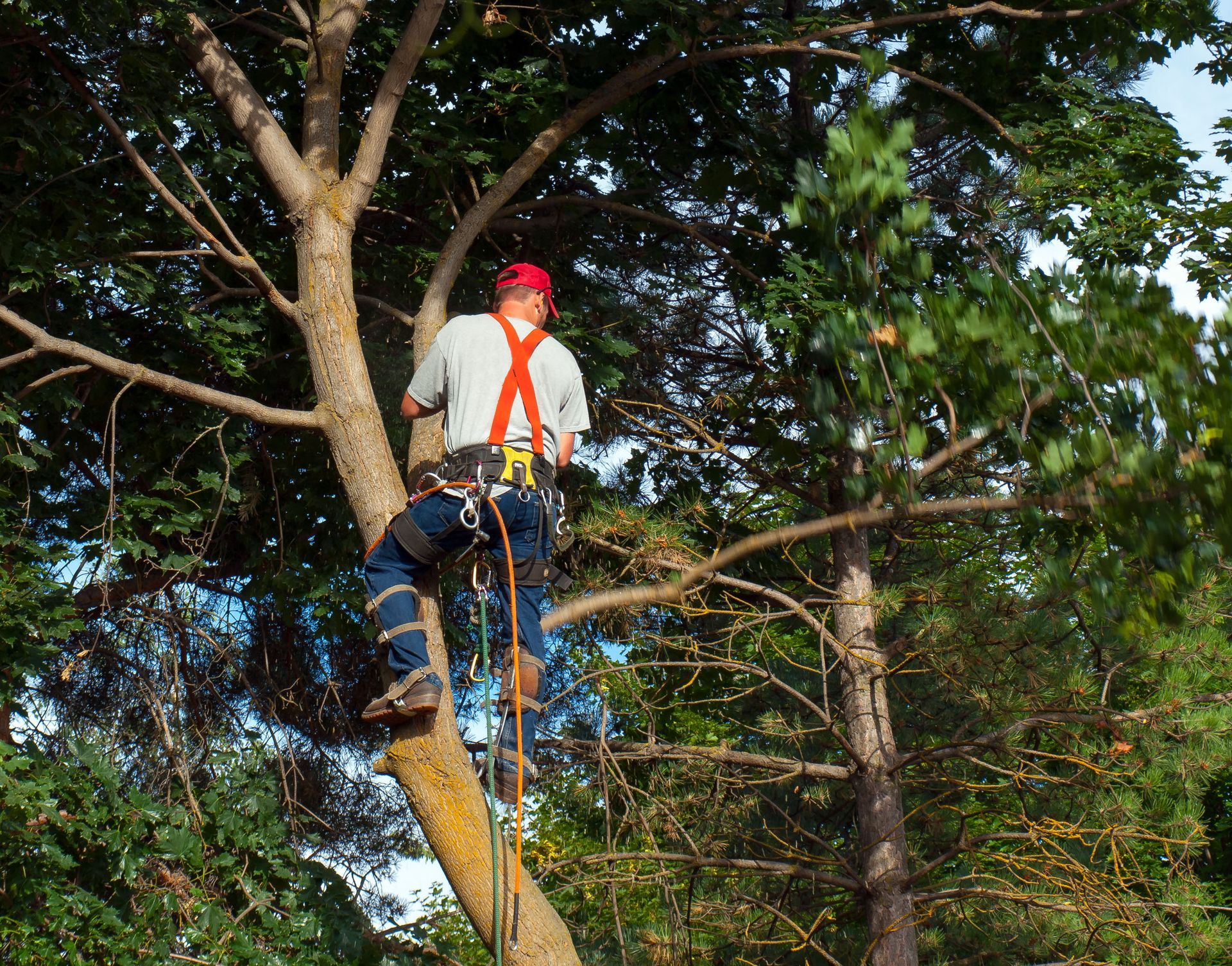
Strategic pruning performed by local tree services strengthens overall branch architecture and load distribution. Removing competing leaders and selectively thinning dense upper canopies guides growth into a stable, well-balanced form. Proper cutting techniques stimulate healthy tissue development while distributing weight evenly, drastically reducing the likelihood of unexpected branch failure.
Increasing Airflow and Sunlight
Dense, overgrown canopies trap excess moisture, creating ideal breeding grounds for fungal pathogens. Thinning interior foliage enhances air circulation and allows vital sunlight to reach lower branches. Increasing sunlight penetration improves photosynthesis, building natural resilience against environmental stressors.
Following Seasonal Guidelines
Timing interventions according to species-specific biological cycles maximizes regrowth potential. Pruning during winter dormancy minimizes sap loss and stress for many species, while spring-flowering trees benefit from post-bloom trimming. Aligning maintenance schedules with natural growth phases supports overall ecological balance.
Utilizing Proper Equipment
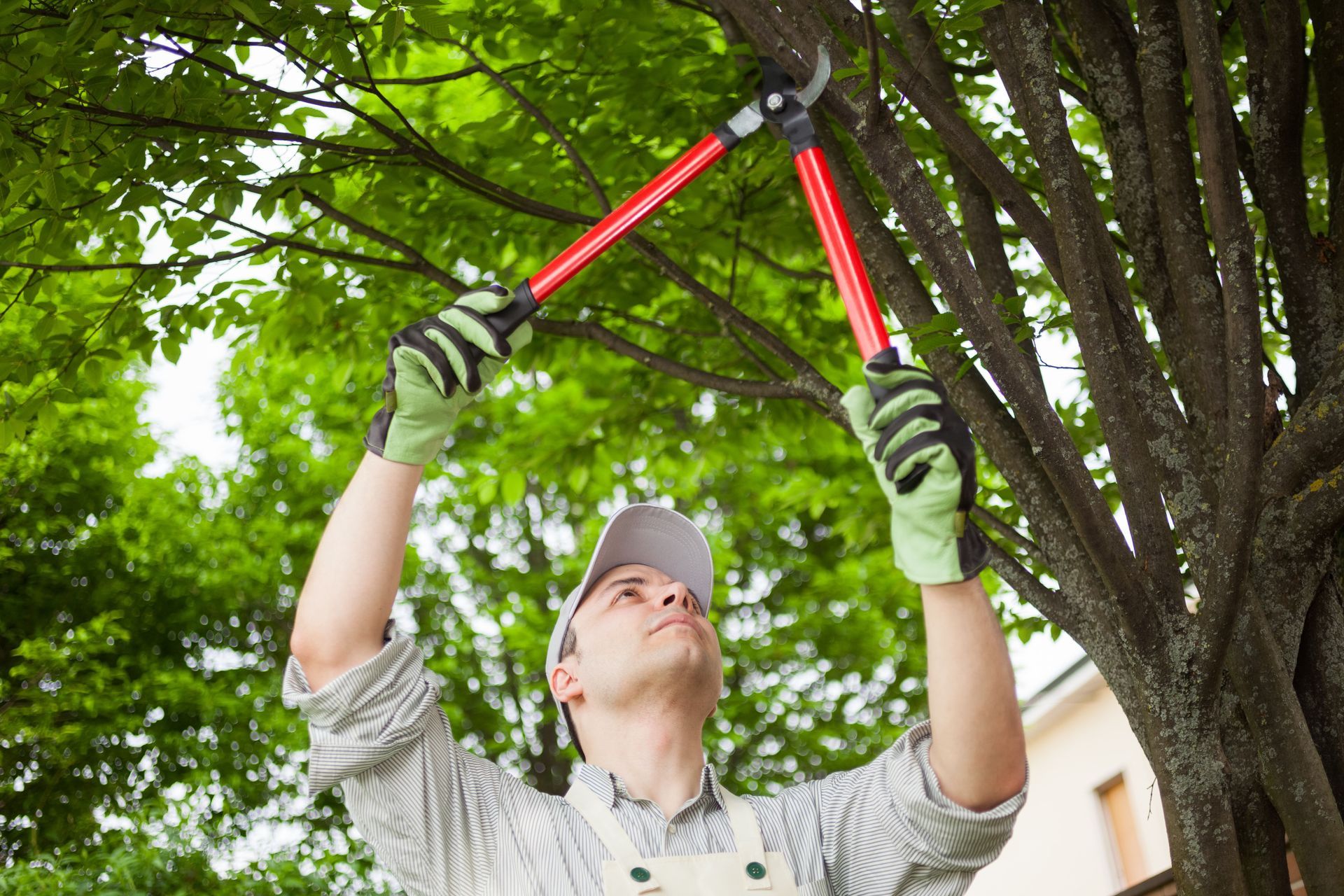
Using clean, sharp tools prevents unnecessary bark tearing and reduces disease transmission risks. Professionals utilize specialized gear, including bypass shears, pole saws, and drop-crotch techniques, to make precise cuts that heal rapidly. Emphasizing tool maintenance ensures every cut supports long-term structural integrity.
Managing Pests and Diseases
Identifying Common Pests
Invasive insects like the emerald ash borer, gypsy moth, and wood-boring beetles inflict severe structural damage by feeding on vascular tissues. Uncontrolled infestations weaken defense mechanisms, leaving specimens vulnerable to secondary infections. Identifying invasive threats early allows local tree services to apply targeted treatments before widespread damage occurs.
Implementing Integrated Strategies
Integrated Pest Management (IPM) combines cultural, biological, and mechanical tactics to control pest populations safely. Enhancing soil health and diversifying plant species creates environments naturally resistant to infestations. Relying on continuous monitoring and targeted controls reduces dependence on harsh chemical applications.
Administering Preventive Vaccinations
Proactive treatments build internal immunity against devastating pathogens. Inoculating susceptible species against lethal threats like Dutch elm disease provides multi-year protection. Applying systemic root flares or trunk injections during vulnerable seasons bolsters natural defenses across urban canopy populations.
Responding to Outbreaks
Containing infectious diseases requires rapid, informed action from qualified arborists. Monitoring neighborhood canopy trends allows local tree services to isolate contagious pathogens early. Swiftly removing infected limbs or applying containment barriers prevents pathogens from spreading to surrounding healthy timber.
Optimizing Soil and Moisture
Alleviating Soil Compaction
Heavy foot traffic and construction equipment compact urban soil, stripping away oxygen and restricting root expansion. Using specialized air spades allows arborists to loosen dense soil without damaging delicate root structures. Decompacting root zones restores vital water infiltration and air movement.
Balancing Soil pH
Deviations in soil acidity or alkalinity prevent roots from absorbing essential nutrients. Analyzing core soil samples reveals specific chemical deficiencies and pH imbalances. Applying targeted amendments like lime or sulfur optimizes soil chemistry, allowing mature roots to absorb vital elements efficiently.
Supplying Organic Mulch
Spreading organic wood chips around tree bases regulates soil temperature and retains critical moisture. As mulch decomposes, it enriches topsoil organic matter and suppresses weed competition. Keeping mulch several inches away from the trunk prevents bark rot while maintaining a protective root layer.
Mitigating Tree Hazards
Evaluating Structural Hazards
Environmental stressors, root decay, and weak branch unions turn heavy limbs into sudden safety hazards. Certified arborists inspect structural soundness, age, and location relative to nearby structures to calculate overall risk levels. Proactively identifying hazards prevents catastrophic property damage.
Managing Emergency Removals
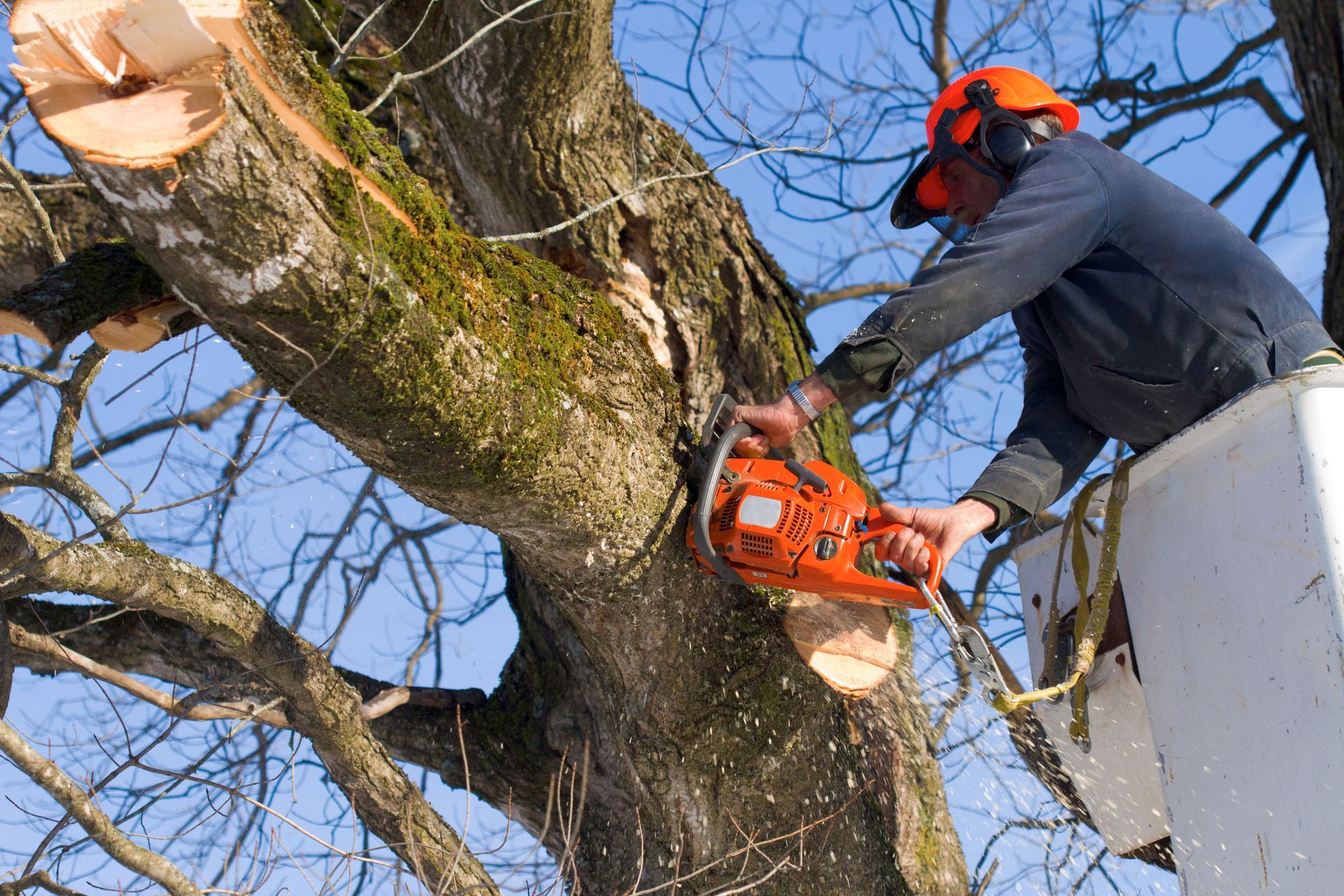
Severe weather events cause fallen trunks and hanging limbs that demand immediate intervention. Emergency response teams operated by local tree services provide rapid intervention to clear hazardous debris blocking roadways or threatening power lines. Utilizing advanced rigging techniques ensures safe removals in tight spaces.
Cooperating with Municipalities
Working alongside local city planners ensures public trees receive consistent, high-standard maintenance. Joint management strategies protect mature roots during sidewalk repairs and road expansions. Partnering with civic authorities preserves green infrastructure while ensuring public safety.
Engaging Community Members
Hosting Educational Workshops
Interactive seminars educate homeowners on essential care practices like proper watering and mulching. Teaching residents how to identify early signs of stress turns community members into active guardians of local green spaces. These educational efforts build local momentum for environmental conservation.
Organizing Stewardship Programs
Volunteering initiatives engage citizens directly in urban forestry preservation. Organized planting days and adoption programs supported by local tree services ensure newly planted and mature trees receive ongoing care, watering, and monitoring. Community participation ensures green spaces remain vibrant for years to come.
Distributing Digital Resources
Online care guides provided by local tree services give property owners instant access to reliable maintenance advice. Digital diagnostic tools empower residents to manage routine tree care safely. These materials help bridge the gap between professional expertise and daily home care.
Maintaining the structural health, aesthetic beauty, and safety of mature trees requires consistent care and professional oversight. Proactive monitoring, strategic pruning, and proper soil management protect your property while preserving the natural ecosystem. By partnering with qualified arborists, you ensure your trees remain resilient against environmental stressors for decades to come. For comprehensive evaluations, certified care, and emergency response, trust the experienced professionals at Schwebach Tree Service.