July 16, 2026
Trees are an essential component of both natural ecosystems and urban landscapes. They provide benefits such as air purification, climate regulation, and habitat for countless species. However, to ensure these benefits persist, routine tree services are crucial for maintaining the health of trees. Without regular care, trees face various threats that can compromise their well-being and longevity. Therefore, hiring a tree service can mitigate these risks and preserve the vital roles trees play in our environment.
Tree Health and Its Importance
The Role of Trees in the Ecosystem
Trees play a fundamental role in ecosystems by producing oxygen through photosynthesis and absorbing carbon dioxide, thereby supporting life on Earth. They provide food and habitat for a multitude of organisms, from insects to mammals, and help maintain biodiversity. In urban areas, trees are crucial for reducing heat, lowering temperatures, and improving air quality. Their roots stabilize the soil, preventing erosion and conserving water by influencing the earth's hydrological cycle. As vital components of the ecosystem, trees must be healthy to continue fulfilling these critical functions.
Signs of Tree Health and Stress
Identifying signs of tree health and stress is an essential aspect of maintaining their well-being. Healthy trees exhibit vibrant foliage, steady growth, and strong, intact branches. Conversely, stressed trees may show signs of discolored leaves, stunted growth, and premature leaf drop. Pest infestations, dieback, and fungal infections can further compromise a tree's integrity. Regular monitoring and assessment with a tree service allows for the timely identification of these indicators, enabling prompt action to treat and prevent further decline.
Impact of Healthy Trees on the Environment
Healthy trees significantly impact the environment by enhancing urban landscapes and biodiversity. By capturing pollutants and releasing clean oxygen, they actively contribute to improving air quality. Healthy trees also mitigate the effects of climate change by sequestering carbon, a vital function for maintaining ecological balance. Their ability to moderate extreme weather conditions, such as heavy rain or drought, protects surrounding environments. Thus, prioritizing tree health offers substantial, long-lasting benefits to the broader ecosystem.
Economic Benefits of Maintaining Healthy Trees
Economically, maintaining healthy trees offers numerous advantages for communities and individual property owners. Trees can increase property values by enhancing curb appeal and providing shade, which may significantly reduce air conditioning costs. Their preservation can prevent legal liabilities related to property damage caused by falling limbs or entire trees. According to real estate studies, properties with mature trees on-site can demand higher selling prices. Furthermore, urban centers with healthy tree populations often experience increased tourism and commerce, as tree-lined streets attract more visitors and shoppers.
Different Types of Tree Services
Tree Pruning Benefits
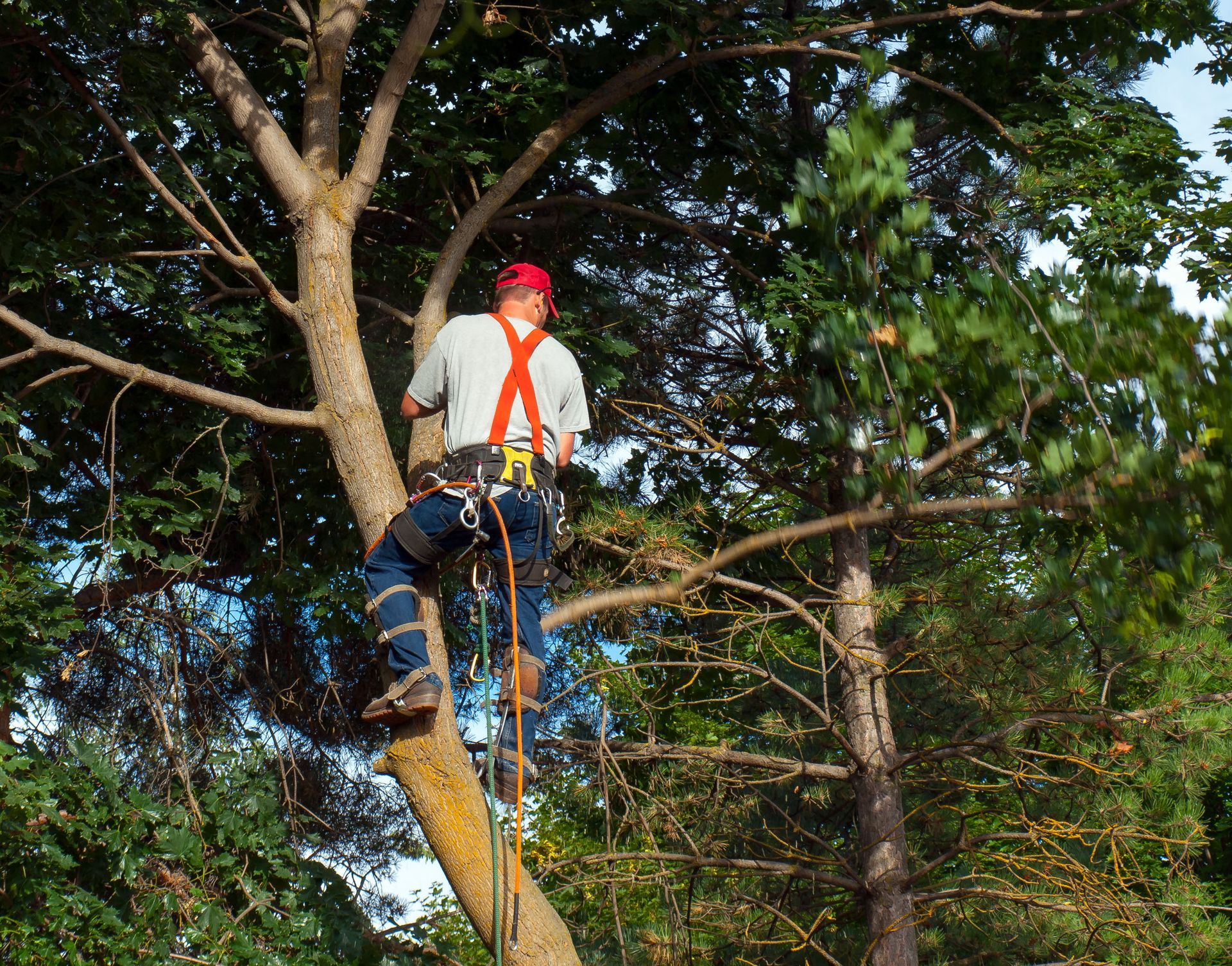
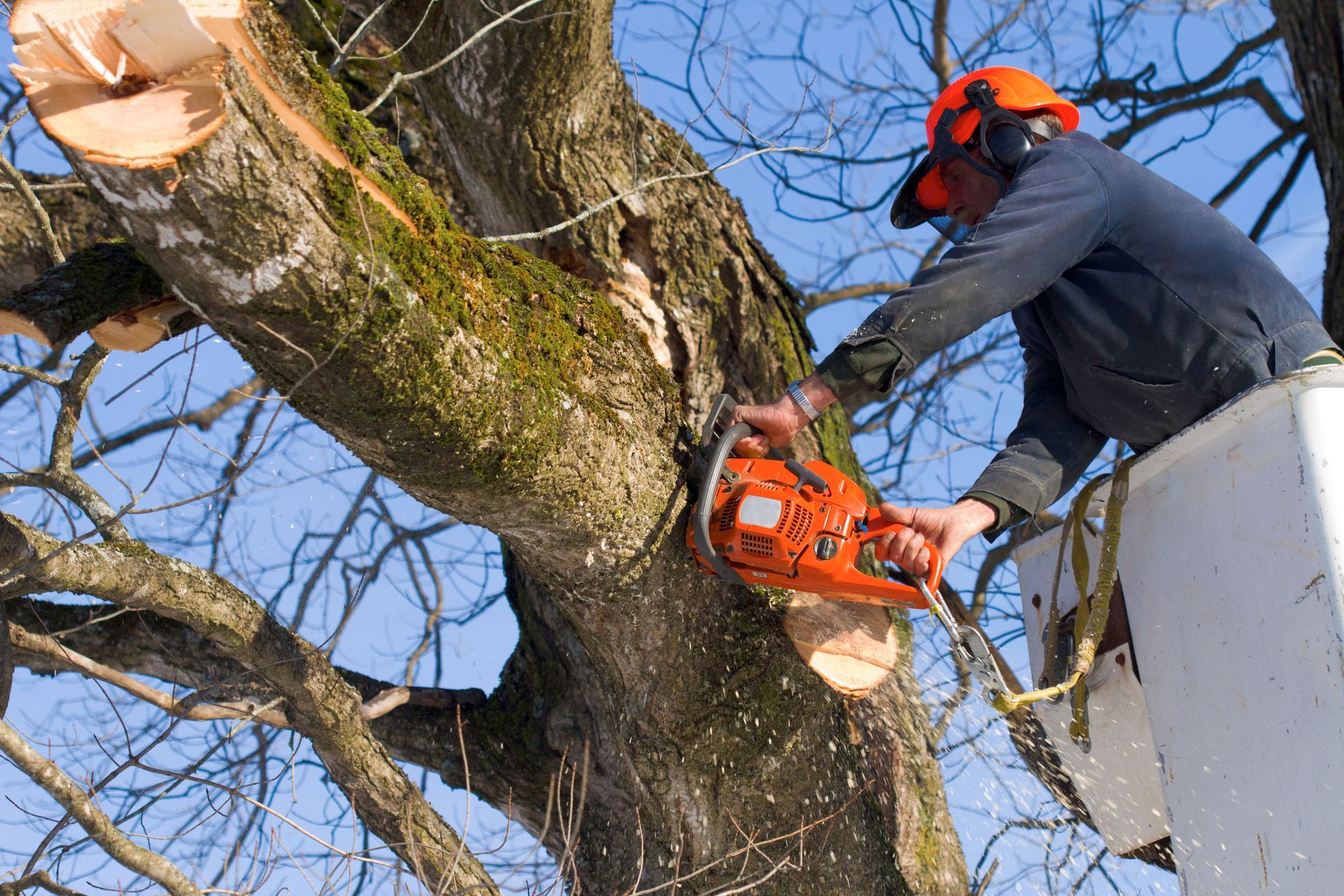
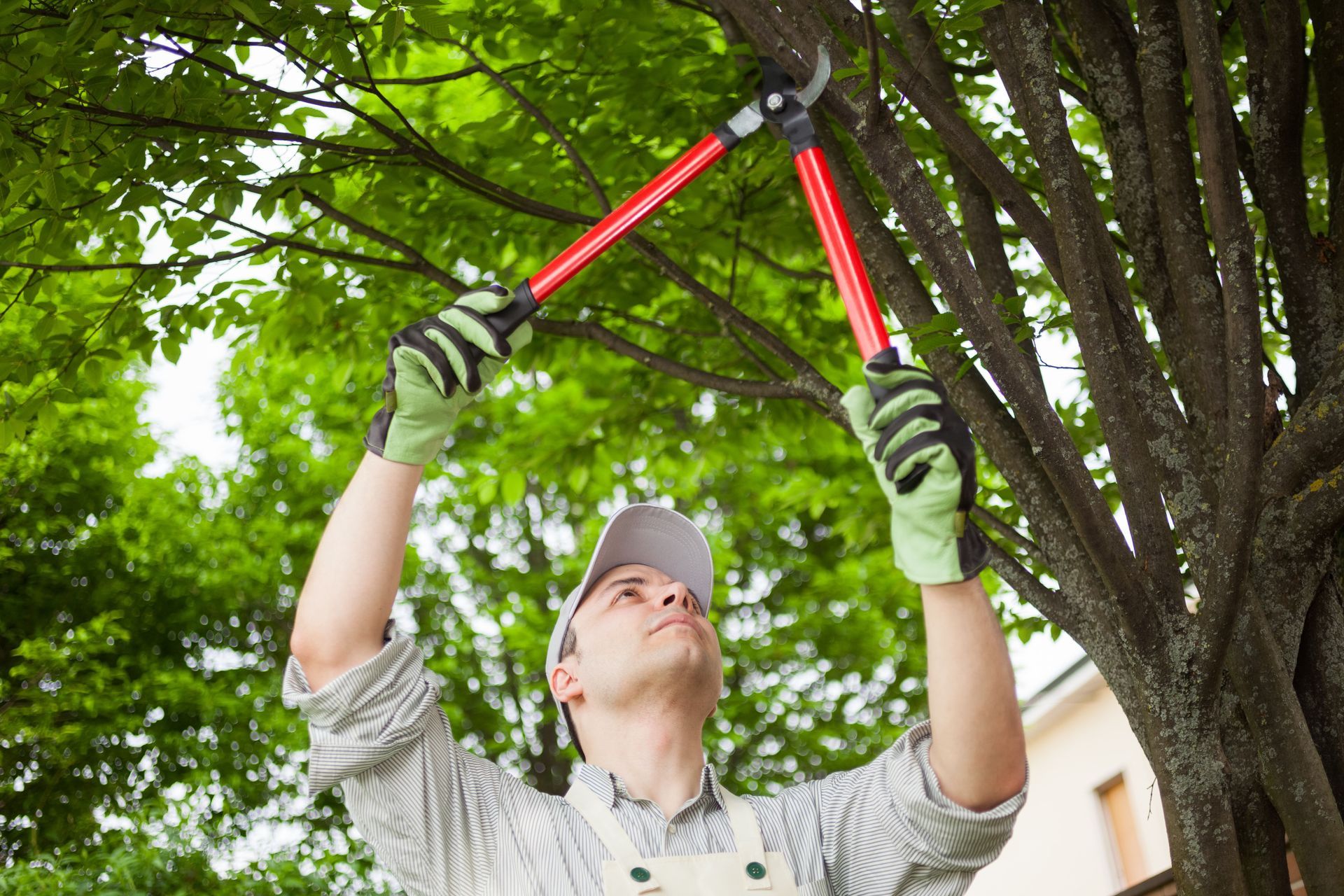
Tree pruning with a tree service involves the selective removal of specific branches to enhance a tree's structure and health. This service is crucial as it helps manage the shape and aesthetics of trees while removing dead or diseased branches. Pruning promotes healthy growth by allowing sunlight and air to circulate more effectively throughout the canopy. Additionally, routine pruning minimizes the risk of falling branches, particularly during severe weather, thereby improving safety. Notably, individuals engaged in this work use tools such as truck-mounted lifts to safely access and navigate tree canopies.
Tree Removal
Tree removal with a tree service is sometimes necessary when a tree poses risks to public safety, property, or when it is beyond recovery due to disease. Dead or dying trees become hazards, especially in high winds or storms, where they could potentially fall and cause significant damage. Removing such trees prevents pest infestations from spreading to nearby healthy trees. Additionally, tree removal can be vital when trees interfere with construction projects or when they compete with other vegetation for resources. It is a last-resort measure that should be conducted safely and professionally.
Stump Grinding and Land Aesthetics
The completion of tree removal involves stump grinding to ensure landscape aesthetics and prevent future issues. Grinding stumps improves the visual appeal by eliminating unsightly remnants, thereby enhancing overall land use. It prevents the regrowth of trees and the spread of fungi and pests that thrive on rotting wood. Stump grinding also reclaims space for new gardening opportunities or land development. Relying on informed professionals ensures that stumps are thoroughly and safely removed, promoting a clean environment.
Soil Aeration and Fertilization
Soil aeration and fertilization are crucial tree services that stimulate nutrient uptake and promote vigorous growth. Aeration involves creating small holes in the soil to enhance water infiltration, air exchange, and root expansion. Fertilization replenishes essential nutrients, improving soil quality and aiding recovery from stress conditions like drought. Together, these practices fortify trees, making them more resilient to disease and environmental changes. Performing these tasks as part of a routine maintenance schedule can significantly extend tree life spans.
The Impact of Routine Tree Maintenance on Longevity
Disease Prevention Spread Through Regular Check-Ups
Regular check-ups with a tree service play a pivotal role in preventing the spread of diseases that could severely damage a tree population. These assessments help identify symptoms early on, allowing for prompt treatments that can contain outbreaks. Routine inspections by professionals ensure that disease management strategies are effectively implemented. These practices create a comprehensive defense plan safeguarding both individual trees and entire ecosystems. Frequent attention also reinforces resilience, allowing trees to recover more readily from environmental stressors.
How Pruning Extends Tree Life
Pruning is a vital routine service that significantly contributes to extending a tree's life. By removing dead or diseased branches, pruning prevents decay from spreading, reducing the risk of infections. It encourages healthy growth by opening up the canopy, which facilitates sunlight penetration and air circulation. Furthermore, by maintaining a tree's structural integrity, pruning minimizes the risk of damage during adverse weather conditions.
The Role of Healthy Soil in Tree Longevity
Healthy soil is fundamental to tree longevity, as it provides essential nutrients, supports root systems, and maintains water and airflow. Well-aerated, nutrient-rich soil enhances root development, which enables trees to withstand droughts and pests. Proper soil management, including testing and amending deficiencies, is vital for sustaining tree health. When soil conditions are optimal, trees can absorb nutrients more efficiently, promoting robust growth and vitality.
Best Practices for Routine Tree Care
Seasonal Care Routines
Adopting seasonal care routines with a tree service is essential for meeting the changing needs of trees throughout the year. Spring involves checking for disease symptoms and applying necessary treatments, while summer requires monitoring for pests and managing stress from heat. In fall, pruning prepares trees for winter, and applying mulch conserves moisture and provides insulation. Winter is a time for structural assessments to determine any necessary interventions before new growth in spring.
The Right Tools and Equipment
Having the right tools and equipment is critical for effective and safe tree maintenance. Tools such as pruning shears, saws, and pole pruners are essential for precise and healthy cuts during pruning sessions. Advanced equipment like truck-mounted lifts enhances safety when accessing taller canopy sections. Investing in high-quality, durable tools reduces the risk of injury and minimizes the potential for tree damage.
Routine tree services are essential for maintaining the health and longevity of trees that play crucial environmental roles. They help manage risks, enhance benefits, and address challenges through informed, strategic interventions. Innovations in tree care further complement traditional practices, promoting sustainable tree and ecosystem health. For a professional tree service, contact Schwebach Tree Service today.